Sourced from Fry Farm
Potatoes - Ozette (Makah Heirloom) 20lb
Potatoes - Ozette (Makah Heirloom) 20lb
Revered as the oldest continuously cultivated potato in North America, this extraordinary fingerling traces its lineage to Spanish explorers who established a small fort at Neah Bay, Washington, in 1791. When the settlement was abandoned, the Makah Nation adopted the potato and became its faithful stewards, preserving the variety in their coastal gardens for more than two centuries.
Modern genetic research has revealed that the Makah Ozette followed a unique path into North America. Unlike nearly every other potato grown in the United States—which arrived through Europe—the Makah Ozette appears to have traveled directly from South America with Spanish expeditions before finding its permanent home on the Olympic Peninsula. It remains one of the few living links between Indigenous agriculture and the earliest European exploration of the Pacific Northwest.
Until the late 1980s, the Makah Ozette was virtually unknown outside of the Makah Nation. Its survival is owed entirely to generations of Indigenous growers who continued cultivating the variety long after it had disappeared from commercial agriculture. Today, thanks to the efforts of the Makah Nation, Slow Food, regional farmers, and chefs, this remarkable potato has been preserved as one of North America’s most significant heirloom crops.
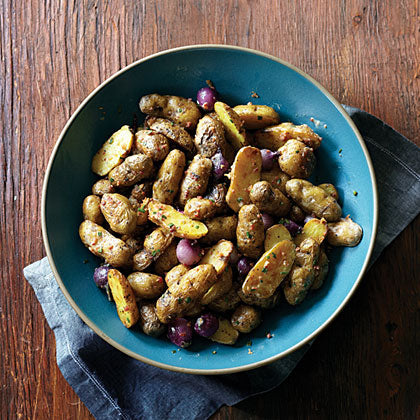
The Makah Ozette produces long, irregular fingerlings with creamy white flesh, a dense yet silky texture, and an exceptionally rich potato flavor accented by earthy sweetness and subtle notes of roasted chestnut. Unlike many modern fingerlings bred for appearance and yield, this historic variety was preserved solely because of its cultural importance and exceptional eating quality.
Equally at home in refined tasting menus or rustic preparations, the Makah Ozette rewards simple cooking—roasted until crisp, gently confit, browned in butter, or served alongside seafood, game, and seasonal vegetables. More than a potato, it represents over two hundred years of stewardship, resilience, and one of the most compelling agricultural stories in North America.